


SUMMARY
Sandoval Lake Reserve
Sandoval Lake Reserve : one of the most fascinating natural destinations in the Peruvian Amazon and one of the main tourist attractions in the Madre de Dios region. Located within the surroundings of the Tambopata National Reserve, this Amazonian lake is known for its calm waters, extensive aguaje palm wetlands, and extraordinary diversity of plant and animal species.
Its proximity to Puerto Maldonado makes it easily accessible for travelers who want to experience the Amazon rainforest, observe wildlife in its natural habitat, and explore landscapes of great ecological value.
Where is Sandoval Lake?
Sandoval Lake is located in the Madre de Dios region, in southeastern Peru, within the protected area of the Tambopata National Reserve. Its location makes it possible to combine a journey along the Madre de Dios River with a hike through the tropical rainforest before reaching the lake. amazon peru manu tours
The journey from Puerto Maldonado is part of the experience, as the route passes through different Amazonian environments and allows visitors to gradually appreciate the natural richness of this area.
How to Get to Sandoval Lake from Puerto Maldonado
Getting to Sandoval Lake requires a combination of river transportation and a hike through the rainforest. The usual route consists of several stages:
1. Departure from Puerto Maldonado
The starting point is usually Puerto Maldonado, one of the main gateways to the southern Peruvian Amazon.
2. Boat Ride on the Madre de Dios River
From the city, visitors take a boat along the Madre de Dios River. The journey can take approximately 30 to 45 minutes, depending on the departure point and river conditions.
3. Hike Through the Amazon Rainforest
After the river journey, the hike begins along a rainforest trail of approximately 3 kilometers (1.9 miles). The duration may vary depending on the group’s pace, trail conditions, and stops to observe nature. tour lago sandoval
During this part of the journey, it is possible to encounter different species of plants, insects, and birds native to the tropical rainforest.
4. Arrival at Sandoval Lake
At the end of the trail, visitors reach the channel connecting to the lake. From there, the journey usually continues by paddled canoe, providing a peaceful way to travel across the water while observing the vegetation and wildlife along the shoreline.
Biodiversity of Sandoval Lake
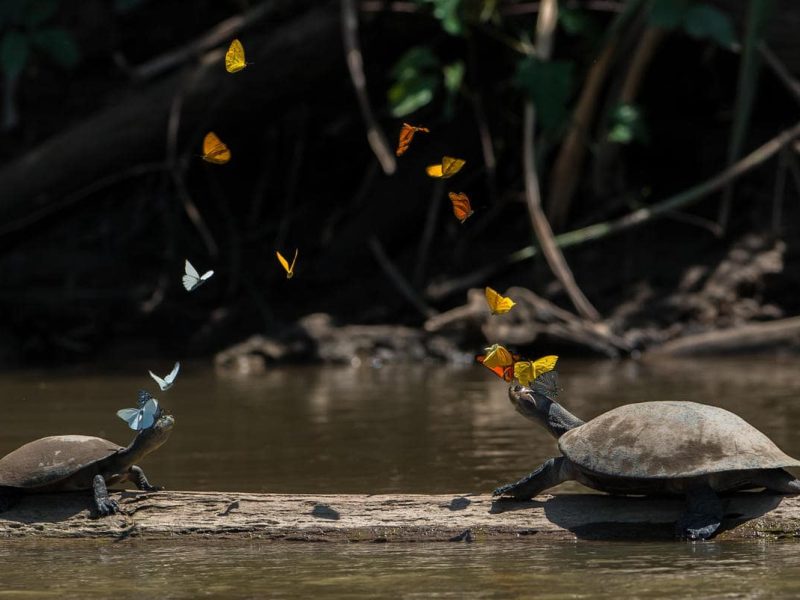
One of the main reasons to visit Sandoval Lake is its extraordinary biodiversity. The forests and wetlands surrounding its waters provide shelter and food for numerous Amazonian species.
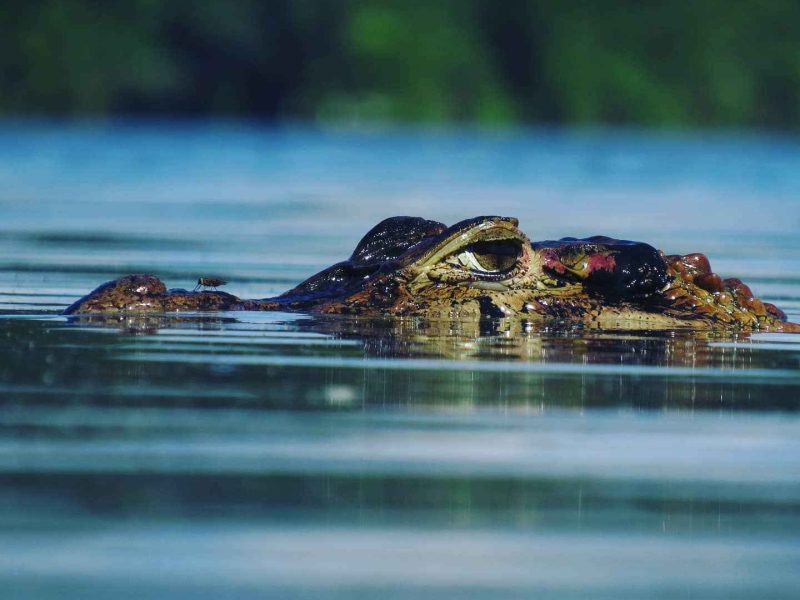
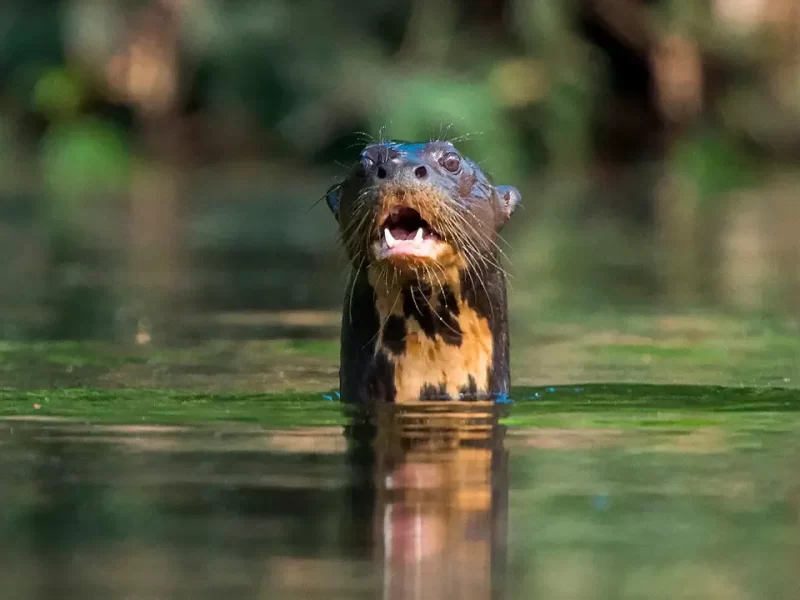
Animals that may be observed during an excursion include:
- Giant river otters, also known locally as lobos de río.
- Several species of monkeys.
- Caimans.
- Capybaras.
- A wide variety of bird species.
- Hoatzins, characteristic birds of Amazonian aquatic environments.
- Macaws and other rainforest parrots.
- Wildlife sightings depend on factors such as the time of year, weather conditions, time of day, and the natural behavior of the animals. Therefore, every visit to the lake can offer a different experience.
ITINERARY
SERVICES
GALLERY LODGE
FAQs - FREE INFO
Frequently Asked Questions About Sandoval Lake
Where is Sandoval Lake located?
Sandoval Lake is located in the Madre de Dios region, in the southeastern Peruvian Amazon, within the surroundings of the Tambopata National Reserve and near Puerto Maldonado.
How do you get to Sandoval Lake?
The usual route combines a boat ride along the Madre de Dios River, a hike of approximately 3 kilometers (1.9 miles) through the rainforest, and a final canoe ride to the lake.
What animals can be seen at Sandoval Lake?
During an excursion, visitors may see giant river otters, monkeys, caimans, capybaras, hoatzins, macaws, and numerous bird species. However, wildlife sightings are not guaranteed because these are wild animals in their natural habitat.
Can Sandoval Lake be visited in one day?
Yes. There are excursions from Puerto Maldonado that allow visitors to explore the lake during the day. It is also possible to combine the visit with a stay at a nearby Amazon lodge.
Is Sandoval Lake worth visiting?
Yes, especially for travelers interested in nature, photography, birdwatching, and Amazonian wildlife. The journey combines river travel, rainforest hiking, and canoeing in an environment with remarkable biodiversity.
Sandoval Lake: An Authentic Experience in the Peruvian Amazon
Sandoval Lake offers one of the most interesting experiences for discovering the natural beauty of Madre de Dios. Its combination of tropical rainforest, wetlands, calm waters, and diverse wildlife allows visitors to experience the Amazon from a close and responsible perspective.
If you are planning a trip to Puerto Maldonado, including Sandoval Lake in your itinerary can be an excellent way to discover one of the most representative ecosystems of the Peruvian rainforest.
Amazonia Rainforest :
Experience your journeys deep in Peru’s Tambopata National to sandoval lake reserve Reserve. palm-rimmed Sandoval Lake, the most beautiful and wildlife-rich of all lakes in tours
Tambopata – Madidi. This privileged location provides exclusive access to the lake sandoval in the early morning and late afternoon, the choice hours for wildlife viewing and photography in jungle trips. Located in the Tambopata
National Reserve, is perched above what many rainforest specialists feel is the most attractive lake in Peru, and provides access to one of the most biologically div
GUIA DE VIAJES
An Amazonian Lake Surrounded by Rainforest
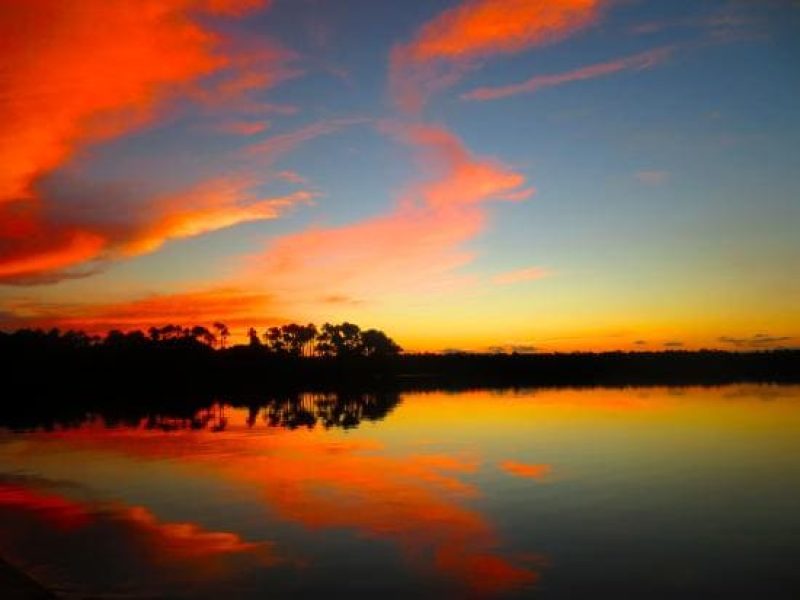
Sandoval Lake has the characteristic horseshoe shape of an abandoned meander lake, known in English as an oxbow lake. This type of formation is created by ancient changes in the course of Amazonian rivers.
Its waters are surrounded by lush tropical vegetation, including extensive aguaje palm wetlands and large trees. The contrast between the open water and the surrounding rainforest creates one of the most iconic landscapes of the Madre de Dios Amazon.
What to Do at Sandoval Lake?
A visit to Sandoval Lake offers several activities focused on nature and wildlife observation.
Canoe Ride
Canoeing across the lake is one of the most attractive experiences. The quiet movement of the canoe makes it easier to observe the surroundings and explore different areas of the lake accompanied by a guide.
Rainforest Hike
The access trail provides an opportunity to experience the Amazon rainforest up close. During the hike, visitors can identify trees, plants, insects, birds, and other organisms that are part of this complex ecosystem.
Wildlife Watching
Wildlife observation is one of the most popular activities. The early morning hours and certain times in the afternoon can provide good opportunities to spot birds, monkeys, and other species.
Night Excursions
Night excursions allow visitors to discover a different side of the Amazon. With the help of specialized guides, it is possible to look for nocturnal species and listen to the sounds of the rainforest after sunset.
Where to Stay Near Sandoval Lake?
In the area surrounding Sandoval Lake, there are accommodation options focused on nature tourism, including Sandoval Lake Lodge. This type of accommodation allows visitors to complement their trip with guided excursions and experiences that provide direct contact with the Amazonian ecosystem.
For travelers who want to experience the rainforest at a more relaxed pace, spending one or more nights at an Amazon lodge can be an interesting alternative to taking only a day trip from Puerto Maldonado.
Why Visit Sandoval Lake?
Sandoval Lake brings together many of the elements that make the Peruvian Amazon so special: journeys along Amazonian rivers, hikes through tropical rainforest, wetlands, natural landscapes, and opportunities to observe wildlife.
Its accessibility from Puerto Maldonado also makes it an attractive option for travelers who want to experience the biodiversity of Madre de Dios without traveling too far from the city.
Visiting this area also means respecting the rules of the protected natural area, avoiding feeding or approaching wildlife, and helping preserve an ecosystem that is fundamental to the Peruvian Amazon.
erse areas on the planet.