Bahuaja Sonene National Park Amazon Peru : Tourism, Biodiversity, Collpa Heath and Adventure in the Peruvian Amazon
Discover Bahuaja Sonene National Park Amazon Peru , one of the most extraordinary natural territories in southeastern Peru. Located between the regions of Madre de Dios and Puno, this vast biodiversity sanctuary protects tropical forests, rivers, Yungas, and the unique wetlands of the Pampas del Heath.
Covering an area of 1,091,416 hectares, Bahuaja Sonene National Park is one of the country’s most important wildlife refuges. Its landscapes are home to jaguars, giant river otters, macaws, harpy eagles, marsh deer, and an impressive variety of species that make this region an exceptional destination for nature lovers, ecotourism enthusiasts, wildlife photographers, and birdwatchers.
From navigating the Tambopata and Heath rivers to watching colorful macaws at Collpa Heath, visiting this region means discovering an Amazon filled with extraordinary landscapes, cultural richness, and ecosystems that play an essential role in the environmental balance of our planet. manu trips peru
If you are looking for a different experience in the Peruvian rainforest, continue reading this guide to discover where Bahuaja Sonene is located, how to get there, what animals you may see, its main tourist attractions, and the activities you can enjoy.
Where Is Bahuaja Sonene National Park Located?
Bahuaja Sonene National Park is located in southeastern Peru, within the regions of Madre de Dios and Puno. Its territory includes Tambopata Province in Madre de Dios and Carabaya and Sandia provinces in Puno.
This protected natural area forms part of an important ecological corridor in the southwestern Amazon and protects ecosystems that connect the eastern slopes of the Andes with the extensive Amazonian lowlands.
Its geographical location allows for an extraordinary variety of natural environments, ranging from mountain forests and Yungas to tropical lowland rainforests and seasonally flooded savannas.
General Information About Bahuaja Sonene National Park
- Country: Peru
- Regions: Madre de Dios and Puno
- Provinces: Tambopata, Carabaya, and Sandia
- Area: 1,091,416 hectares
- Date established: July 17, 1996
- Management: National Service of Natural Areas Protected by the State (SERNANP)
- Main ecosystems: Amazonian forests, Yungas, and tropical wet savannas
- Main attractions: Pampas del Heath, Collpa Heath, Tambopata River, and Guacamayo Lake
History and Creation of Bahuaja Sonene National Park
Bahuaja Sonene National Park was established on July 17, 1996, with the purpose of conserving representative ecosystems of the Peruvian Amazon and protecting native wildlife and plant species.
Later, in September 2000, the park’s area was expanded to its current size of 1,091,416 hectares.
Its name has important cultural significance. Bahuaja and Sonene are names in the Ese’eja language associated with the Tambopata and Heath rivers, respectively. The name recognizes the historical relationship between the Ese’eja Indigenous people and these Amazonian territories and rivers.
Today, the park is managed by SERNANP, the institution responsible for promoting the conservation of its ecosystems, scientific research, and activities compatible with environmental protection.
Why Is Bahuaja Sonene National Park Important?
Bahuaja Sonene is much more than a nature destination. Its conservation contributes to essential ecological processes in the Amazon and around the world.
Its main environmental functions include:
- Biodiversity conservation: It protects numerous species of plants, birds, mammals, reptiles, amphibians, and fish.
- Climate regulation: Its forests store carbon and contribute to natural humidity and temperature cycles.
- Water source protection: Its rivers, streams, lakes, and wetlands support important water systems.
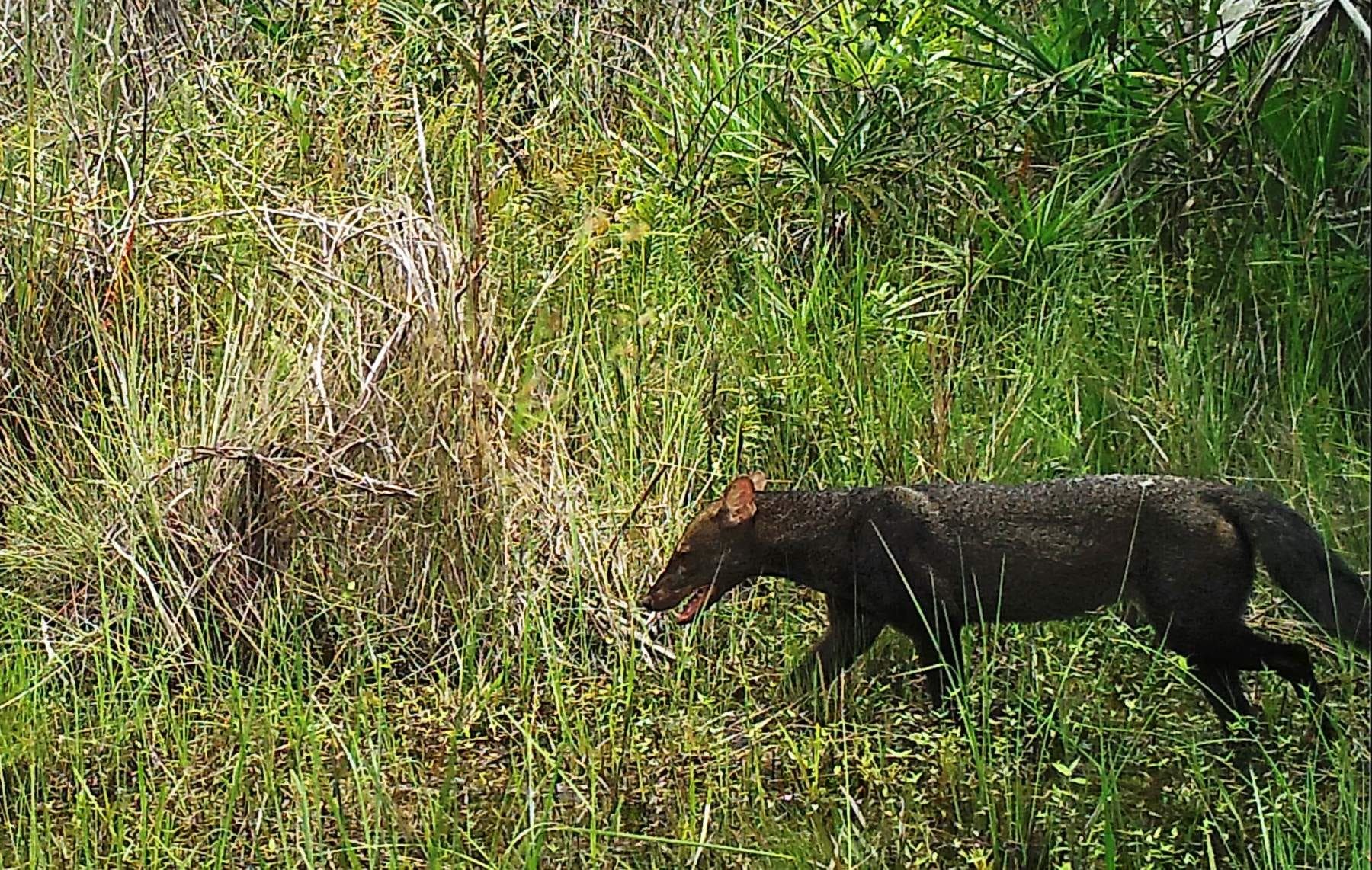
- Protection of threatened species: It provides habitat for animals such as giant river otters, jaguars, marsh deer, and maned wolves.
- Cultural protection: It preserves territories of ancestral importance to Indigenous Amazonian peoples.
- Scientific research: It provides opportunities to study tropical ecosystems and conservation processes.
Ecosystems of Bahuaja Sonene National Park
One of the most fascinating aspects of this park is the diversity of landscapes found within a single protected area. Differences in altitude, rainfall, soils, and climatic conditions allow very different ecological environments to coexist.
1. Amazonian Lowland Rainforest
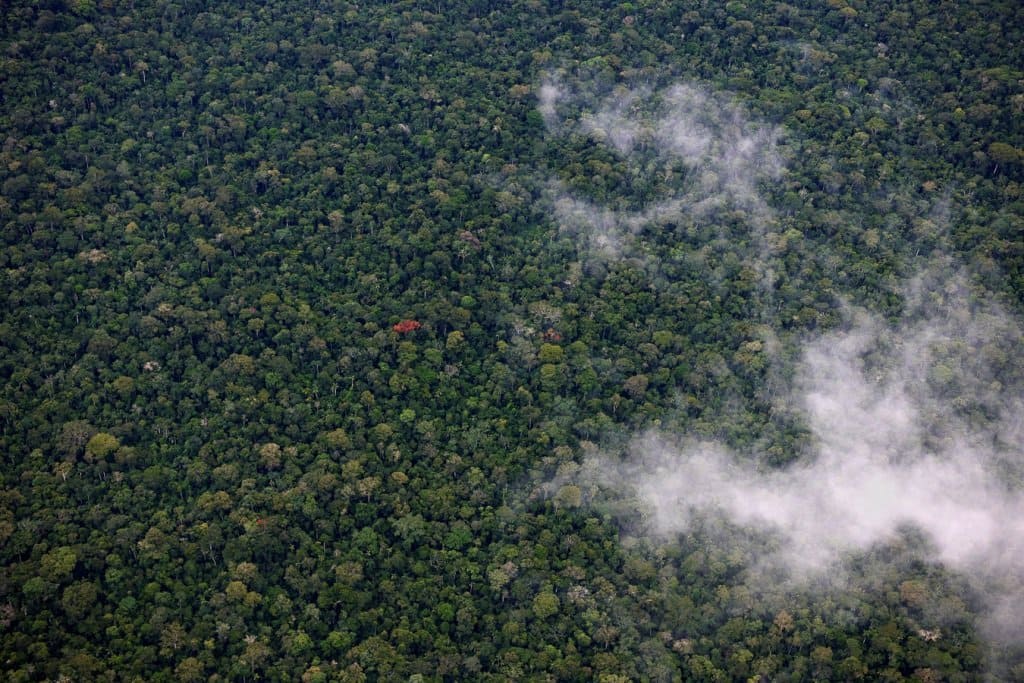
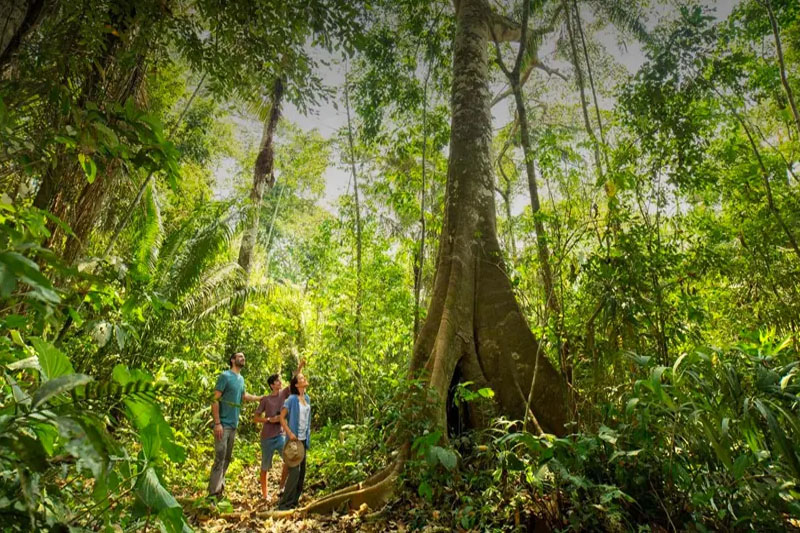
The lowland rainforest is one of the park’s most representative environments. It consists of humid tropical forests, floodplains, gentle hills, streams, and seasonally flooded areas.
Large trees create several layers of vegetation where birds, primates, felines, amphibians, and a wide variety of insects live.
Some representative plant species include:
- Shihuahuaco
- Amazonian Brazil nut tree
- Cedar
- Mahogany
- Pona palm
- Ungurahui palm
For travelers interested in nature, these forests offer opportunities for wildlife observation, nature photography, and exploration of Amazonian landscapes.
2. Yungas and Cloud Forests
The Yungas develop along the eastern slopes of the Andes and are characterized by high humidity, evergreen vegetation, and frequent cloud cover.
These forests play an essential role in water regulation because they capture atmospheric moisture and contribute to numerous streams and rivers that descend toward the Amazon Basin.
Their diversity of plants, birds, and other organisms makes these ecosystems particularly important for conservation.
3. Tropical Wet Savannas: Pampas del Heath
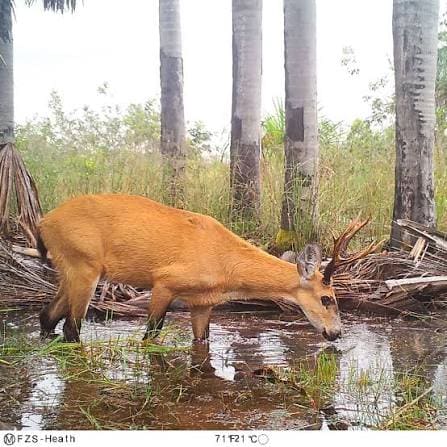
The Pampas del Heath are one of Peru’s most unique ecosystems. They consist of extensive tropical savannas with grasses, palm trees, shrubs, and wetlands whose appearance changes throughout the rainy season.
This landscape is particularly important because it provides habitat for species that are uncommon in other environments of the Peruvian Amazon.
Among its most representative animals are:
- Maned wolf (Chrysocyon brachyurus)
- Marsh deer (Blastocerus dichotomus)
- Various grassland and wetland bird species
- Reptiles and species adapted to seasonally flooded environments
- Protecting the Pampas del Heath is one of the main conservation objectives of Bahuaja Sonene National Park.
Biodiversity of Bahuaja Sonene National Park
The biological richness of Bahuaja Sonene makes it one of the most important natural areas in the Peruvian Amazon macaw clay lick .
Records published by SERNANP include approximately 680 bird species and 173 mammal species, along with a remarkable diversity of other animal and plant groups.
Birds of Bahuaja Sonene National Park
For birdwatchers and wildlife photographers, Bahuaja Sonene offers an exceptional experience.
Its different ecosystems provide habitat for macaws, parrots, toucans, eagles, herons, kingfishers, and numerous species associated with tropical forests.
Birds of particular interest include:
- Red-and-green macaw (Ara chloropterus)
- Chestnut-fronted macaw (Ara severus)
- Military macaw (Ara militaris)
- Harpy eagle (Harpia harpyja)
- Andean condor in areas of altitudinal transition
- Various parrot and parakeet species
- Tanagers and specialized Amazonian forest birds
Birdwatching is particularly interesting in the Heath River sector, where natural clay licks attract different species of parrots and macaws.
Mammals of the Bahuaja Sonene Amazon
The park’s forests and rivers provide habitat for some of South America’s most iconic mammals.
Species found in this region include:
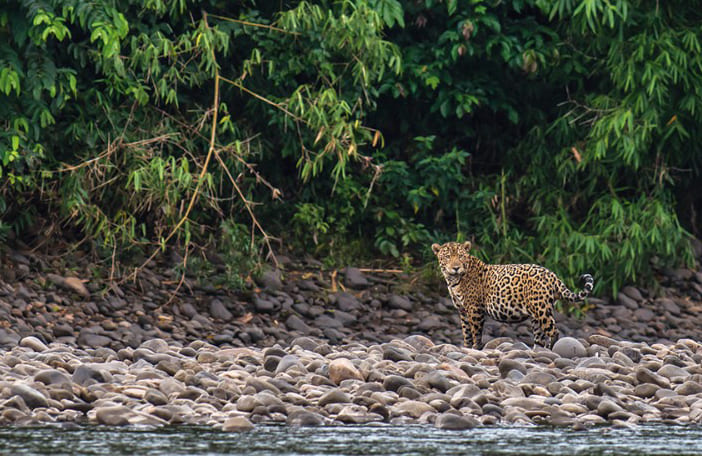
- Jaguar (Panthera onca)
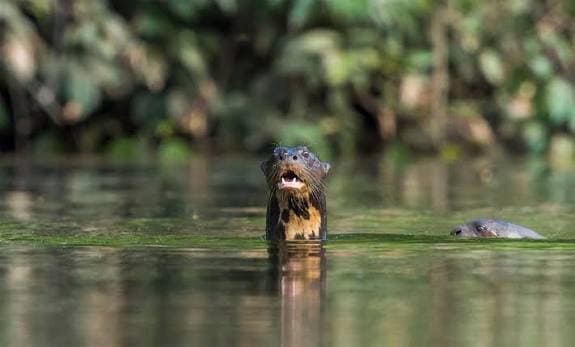
- Giant river otter (Pteronura brasiliensis)
- South American tapir (Tapirus terrestris)
- Spider monkey
- Howler monkey
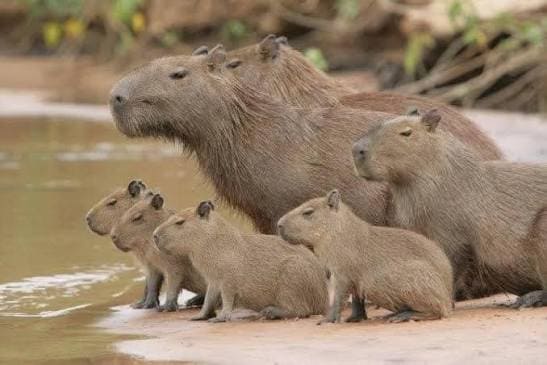
- Capybara
- Ocelot (Leopardus pardalis)
- Marsh deer
- Maned wolf
It is important to remember that these animals live in the wild. Wildlife sightings depend on weather conditions, season, natural behavior, and the experience of the guide.
Tourism in Bahuaja Sonene National Park: Main Attractions
Nature tourism in Bahuaja Sonene allows visitors to discover relatively undisturbed landscapes, navigate Amazonian rivers, and explore some of Peru’s most distinctive ecosystems.
Available experiences vary depending on the sector, season, and access conditions. For this reason, it is recommended to organize your trip with authorized operators and check current access requirements before traveling.
1. Collpa Heath: A Natural Macaw Spectacle
Collpa Heath is one of the main attractions for travelers interested in birdwatching and wildlife photography.
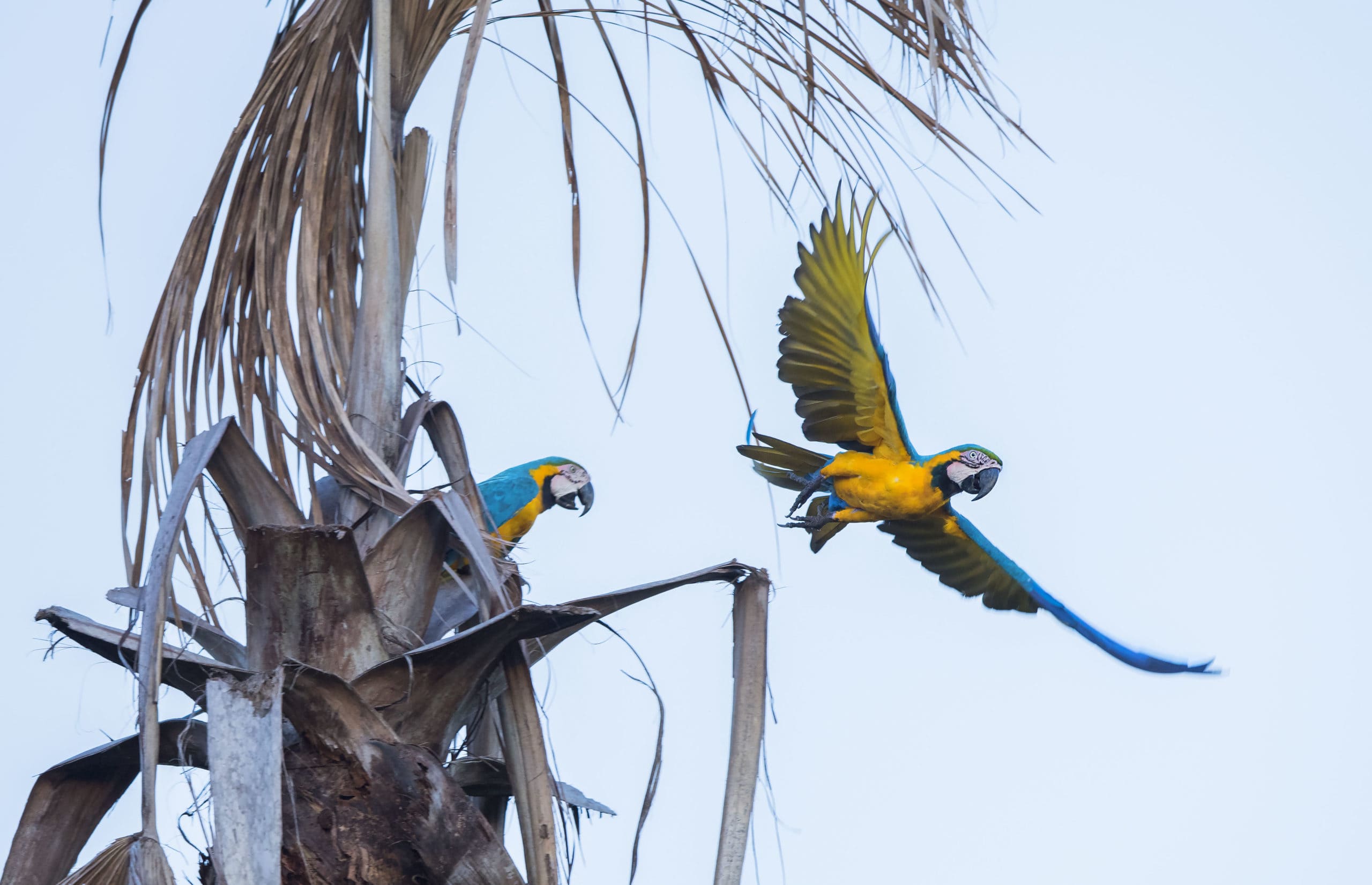
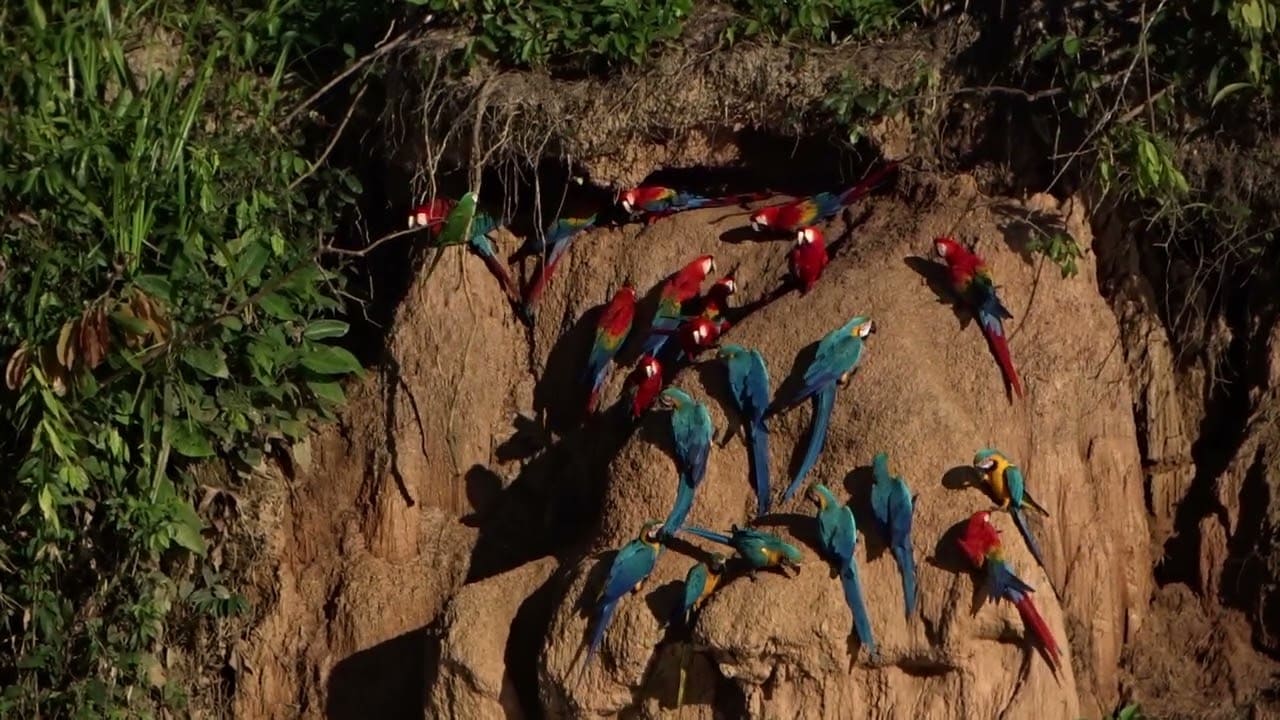
It is located in the Heath River sector, near the natural border between Peru and Bolivia. Different species of macaws, parrots, and parakeets may gather here to consume clay from the natural riverbank walls.
Species that may be observed include:
- Red-and-green macaw
- Chestnut-fronted macaw
- Golden-faced parakeet
- Mealy amazon
- Yellow-crowned amazon
Watching these birds in their natural environment is one of the highlights of an Amazon expedition.
The surrounding area may also be home to mammals such as ocelots and capuchin monkeys, although their presence cannot be guaranteed during a visit.
2. Guacamayo Lake: Nature and Giant River Otter Observation
Guacamayo Lake is another attraction in the Heath sector. This body of water is surrounded by tropical vegetation and provides important habitat for different species of birds, fish, and mammals.
One of its main attractions is the presence of giant river otters, also known as giant Amazonian otters.
Observation from authorized boats allows visitors to enjoy the landscape while minimizing unnecessary disturbance to wildlife.
For nature photographers, this environment provides excellent opportunities to capture wildlife, forest reflections, and river landscapes.
3. Tambopata River: Adventure and Amazon Exploration
The Tambopata River is one of the region’s major natural features. It originates in the mountains of Puno and descends toward the Amazon lowlands, crossing highland and lowland rainforest landscapes before joining the Madre de Dios River.
During navigation, travelers may observe:
- River birds
- Natural beaches
- Tropical forests
- Riverside vegetation
- Different species of wildlife
In certain sections and under suitable conditions, the river also allows adventure activities such as rafting and kayaking, always with specialized operators and appropriate safety measures.
4. Pampas del Heath: A Different Landscape in the Peruvian Amazon
The Pampas del Heath offer one of the most distinctive natural experiences in the park.
Unlike the traditional image of the Amazon as a dense forest covered by trees, this landscape features extensive open areas with grasslands, palms, and wetlands.
This ecosystem is particularly valuable for the conservation of marsh deer and the maned wolf.
Its landscape, biodiversity, and ecological importance make it a fascinating destination for researchers, photographers, and travelers interested in discovering unusual natural environments.
Activities in Bahuaja Sonene National Park
Bahuaja Sonene offers various opportunities for nature and adventure tourism, depending on the authorized sector and available services.
Birdwatching
Birdwatching is one of the most attractive activities for visitors to the region.
Trips through forests, riverbanks, and clay licks provide opportunities to search for birds of different sizes and behaviors.
Photographers may find opportunities to capture macaws, parrots, birds of prey, and river species.
It is recommended to bring binoculars, a camera, a telephoto lens, and clothing suitable for tropical environments.
Wildlife Photography
- Bahuaja Sonene is an outstanding setting for nature photographers.
- Some of the main photographic subjects include:
- Macaws at natural clay licks
- Giant river otters in lakes and rivers
- Jaguars and other felines when encountered by chance
- Monkeys in the forest canopy
- River and tropical savanna landscapes
Photography should always be carried out while maintaining a safe distance and avoiding any action that could alter the natural behavior of wildlife.
Rafting and Kayaking on the Tambopata River
For travelers seeking adventure, certain sections of the Tambopata River offer opportunities for rafting and kayaking.
The drier season, particularly between June and September, may provide favorable conditions in certain areas, although river levels should always be checked before departure.
These activities should be organized with specialized guides, appropriate safety equipment, and experienced operators familiar with Amazonian rivers.
Jungle Hiking and Exploration
Interpretive hikes allow visitors to discover giant trees, medicinal plants, animal tracks, and the ecological relationships that keep the rainforest alive.
Routes depend on the trails that are open and the conditions of each sector.
How to Get to Bahuaja Sonene National Park
The city of Puerto Maldonado, the capital of Madre de Dios, is one of the main starting points for exploring tourist sectors of the park.
However, it is important to understand that Bahuaja Sonene is an enormous protected area and not all sectors have the same level of access. The route depends on the attraction you wish to visit.
Route 1: Fly to Puerto Maldonado
You can take a flight from Lima or Cusco to Puerto Maldonado Airport.
This option saves time and allows you to begin your Amazon experience more comfortably.
Flight prices vary depending on the date, airline, booking time, and tourist season. It is recommended to check current fares before booking.
Route 2: Travel by Bus from Cusco
You can also travel to Puerto Maldonado by road from Cusco.
The journey crosses Andean landscapes and cloud-forest regions before descending toward the Amazon rainforest of Madre de Dios.
Travel time depends on the transportation company, road conditions, and weather. It is advisable to check schedules and fares directly with the bus companies.
Route 3: Travel by Boat to the Heath Sector
To visit Collpa Heath and Guacamayo Lake, access is by river from Puerto Maldonado, following the Madre de Dios and Heath rivers.
The journey requires planning and coordination with authorized operators because it involves river transportation, visitor registration, and travel within the protected area.
Travel time depends on the departure point, river conditions, and the selected itinerary.
What Is the Best Time to Visit Bahuaja Sonene?
Bahuaja Sonene National Park has a humid tropical climate, with seasonal variations in rainfall and temperature.
Generally, the period from April to October is often favorable for organizing nature trips, while November to March typically experiences more frequent rainfall.
Dry Season: April to October : During these months, conditions may facilitate certain navigation, hiking, and wildlife-watching activities.
Between June and September, certain sections of the Tambopata River are used for adventure activities.
Rainy Season: November to March : Rain transforms the Amazonian landscape and contributes to the formation of wetlands and flooded areas.
Although visits may require greater flexibility, this season also allows travelers to experience a different side of the tropical rainforest.
The best travel period depends on the attraction, activity, and operating conditions of each route.
Responsible Tourism and Conservation in Bahuaja Sonene
Visiting a protected natural area involves a shared responsibility among travelers, local communities, tourism operators, and environmental authorities.
Responsible tourism can contribute to ecosystem conservation while creating economic opportunities for local communities.
During your visit, consider the following recommendations:
- Hire authorized tourism operators.
- Follow the instructions of park rangers and guides.
- Do not feed or attempt to touch wild animals.
- Avoid leaving waste in rivers and trails.
- Do not remove plants, seeds, feathers, or other natural materials.
- Maintain a respectful distance from wildlife.
- Respect the customs and territories of Indigenous communities.
- Use reusable products and reduce single-use plastics.
Protecting Bahuaja Sonene is essential for conserving biodiversity and maintaining the natural resources on which many communities depend.
Is Bahuaja Sonene National Park Worth Visiting?
If you are passionate about nature, the answer lies in the diversity of experiences available in this region.
Bahuaja Sonene brings together some of the most fascinating landscapes of the Peruvian Amazon: tropical forests, winding rivers, lakes, wetlands, tropical savannas, and an extraordinary variety of wildlife.
It is particularly interesting for:
- Travelers looking for ecotourism experiences
- Birdwatchers
- Wildlife and nature photographers
- Adventure and exploration enthusiasts
- People interested in environmental conservation
Travelers who want to discover the biodiversity of Madre de Dios and Puno
Rather than being a place to visit quickly, Bahuaja Sonene is a territory that invites visitors to understand the relationship between nature, culture, and conservation.
Frequently Asked is a starting point for accessing certain tourist sectors, particularly the Heath and Tambopata river areas. Visitors should organize their trip according to authorized routes andahuaja Sonene National Park represents one of Peru’s most valuable expressions of biodiversity. Its rivers, forests, wetlands, and tropical savannas protect a natural and cultural heritage that deserves to be known and preserved Questions About Bahuaja Sonene National Park
Where is Bahuaja Sonene National Park located?
It is located in the regions of Madre de Dios and Puno in southeastern Peru. The park includes the provinces of Tambopata, Carabaya, and Sandia.
How many hectares does Bahuaja Sonene National Park cover?
The park covers an area of 1,091,416 hectares, following its expansion in 2000.
What animals can you see in Bahuaja Sonene?
Among its most representative species are jaguars, giant river otters, tapirs, macaws, harpy eagles, marsh deer, and maned wolves.
Wildlife sightings depend on natural conditions and cannot be guaranteed.
What is Collpa Heath?
Collpa Heath is a natural attraction in the Heath sector where different species of macaws, parrots, and parakeets gather to consume clay from the riverbanks. It is one of the most interesting birdwatching sites in the Peruvian Amazon.
Can you visit Bahuaja Sonene from Puerto Maldonado?
Yes. Puerto Maldonado is a starting point for accessing certain tourist sectors, particularly the Heath and Tambopata river areas. Visitors should organize their trip according to authorized routes and available services.
How many days do you need to visit Bahuaja Sonene?
For exploring the Heath sector, SERNANP recommends allowing approximately 3 to 5 days. The duration may vary depending on the itinerary, attractions selected, and navigation times.
Is it possible to see jaguars?
Jaguars inhabit the forests of the park, but they are elusive wild animals. Sightings are unpredictable and cannot be guaranteed during an excursion.
Discover the Peruvian Amazon and Its Extraordinary Landscapes
Bahuaja Sonene National Park represents one of Peru’s most valuable expressions of biodiversity. Its rivers, forests, wetlands, and tropical savannas protect a natural and cultural heritage that deserves to be known and preserved.
From watching macaws at Collpa Heath to exploring the landscapes along the Tambopata River, every experience offers a glimpse into a different Amazon, where nature remains at the heart of the journey.
If you are planning a trip to Madre de Dios, consider including a responsible tourism experience in this region and discover why Bahuaja Sonene is considered one of Peru’s great natural treasures.