Field Guide Amazon jungle
Field Guide Amazon jungle : Cultural Traditions –
Jungle Trip: Cultural Traditions – Birdwatching and Photography in Tambopata
Discover the Amazon: a paradise for birdwatching and nature photography – Peruvian Amazon, Manu Park.
The Peruvian Amazon, especially the Tambopata National Reserve and Lake Sandoval, is one of the most extraordinary destinations in the world for birdwatchers and wildlife photographers. This ecosystem hosts unique biodiversity: hundreds of bird species, mammals, insects, and lush flora that create unparalleled visual landscapes.
For photographers and birdwatchers, Tambopata offers exceptional opportunities to capture images of macaws, toucans, monkeys, and pristine landscapes in their purest state.
Field Guide Amazon jungle_ Traditions and Indigenous Worldview
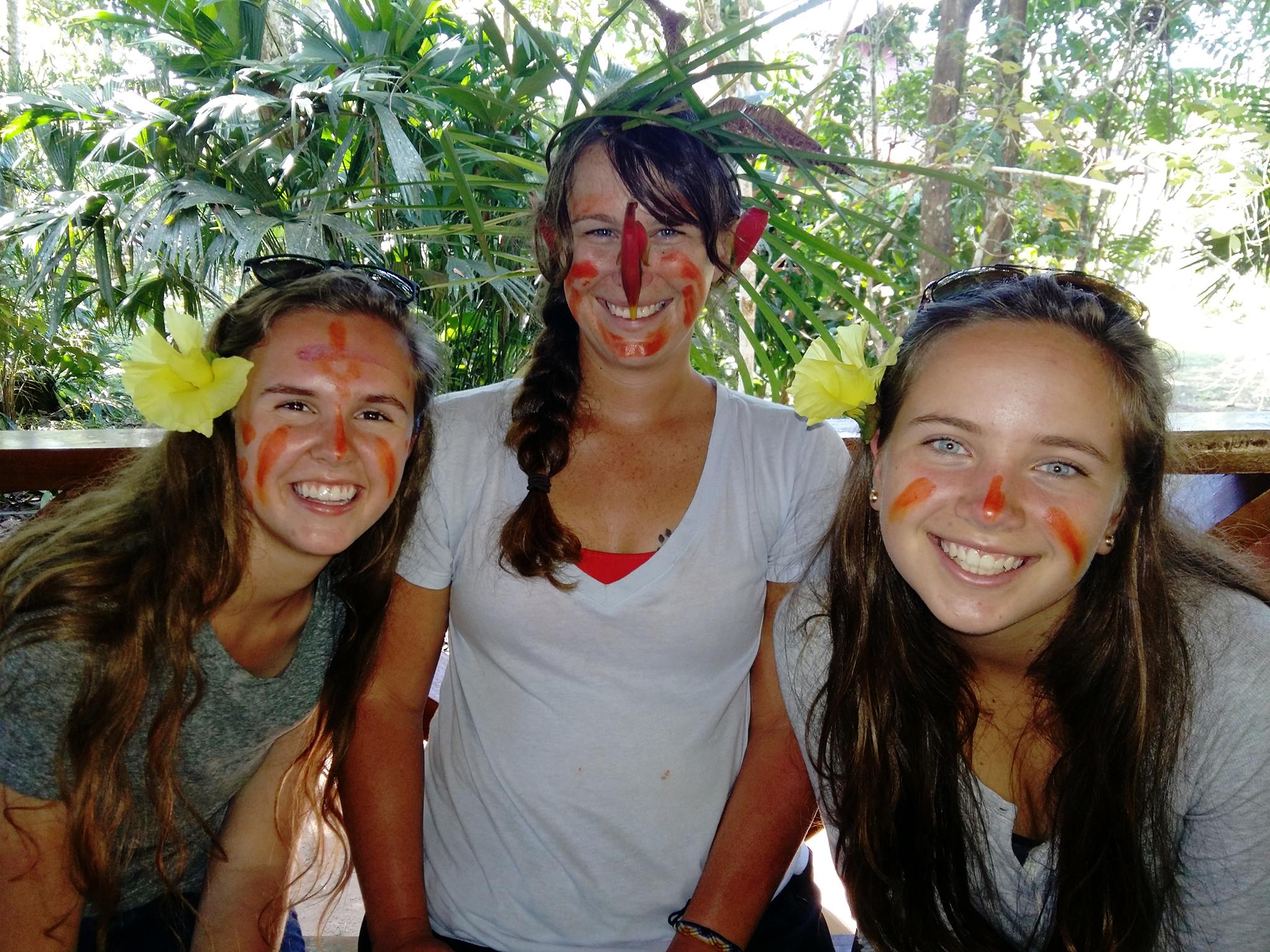
Indigenous peoples of the Amazon Basin have, for centuries, developed a profound relationship with nature. Their lifestyle, beliefs, and traditions are fully integrated with the jungle environment.
Unlike Western perspectives, their worldview is based on a connection with the forest, nature spirits, and the balance between humans and their surroundings. This ancestral knowledge is reflected in practices such as natural medicine and the use of master plants.
Medicinal Plants and Shamanic Traditions
In the Amazon, various plants serve essential roles in traditional medicine. Among the most well-known are:
- Ayahuasca
- Tobacco (mapacho)
- Chacruna
- Toé
- Chiringa sanango
- Yawar panga
These plants are used in healing, purification, and spiritual learning processes. One of the most important traditional methods is the Amazonian diet, a period of isolation with dietary restrictions guided by an experienced healer.
It is important to understand that these practices go far beyond tourism and should be approached with cultural respect and responsibility.
Traditional Jungle Ceremonies -Field Guide Amazon jungle
Amazonian ceremonies are usually held at night in open spaces called tambo. During these rituals:
Silence and focus are maintained
- Traditional songs called icaros are performed
- The shaman guides the experience according to tradition
Each community may have variations in their rituals, but all share a strong bond with spirituality and nature.
Tourism in Tambopata: Traveler Profile
The destination mainly attracts international travelers interested in:
- Birdwatching
- Nature photography
- Ecotourism and conservation
- Amazonian culture
Most visitors come from the United States, Europe, and Australia, with high education levels and strong interest in biodiversity. Many choose Tambopata for its uniqueness, still relatively untouched, and its proximity to Cusco.
Types of Accommodation in Tambopata – Field Guide Amazon jungle
There are three main categories of lodging:
Ecological Lodges
- Comfortable infrastructure in the heart of the jungle
- Ideal for photographers and birdwatchers
- Specialized guided tours
- Homestays
Operated by local communities
- Authentic cultural experience
- Biological Stations
- Focused on scientific research
- Also accommodate specialized tourists
The average stay is 3 days and 2 nights, although longer programs (5–8 days) exist to explore more remote areas such as Upper Tambopata.
Unique Experiences for Photographers and Birdwatchers -Field Guide Amazon jungle.
Tambopata is world-renowned for:
- Macaw clay licks (a unique natural spectacle)
- High concentration of bird species
- Access to pristine habitats
- Specialized photography tours
Travelers can capture rare species in their natural environment, making each expedition an unforgettable experience.
Sustainable Tourism and Conservation
Ecotourism in Tambopata contributes to biodiversity conservation and local community development. Visitors particularly value:
- Forest conservation
- Quality of guides and trails
- Authenticity of the experience
Impacts of Tourism in the Amazon: Conservation and Challenges in Tambopata
Tourism in the Amazon: Opportunities and Challenges
The growth of tourism in the Peruvian Amazon, especially in the Tambopata National Reserve, has generated significant economic and social benefits. However, it also poses challenges related to environmental conservation and protection of local cultures.
For travelers interested in birdwatching and wildlife photography, understanding these impacts is key to promoting responsible and sustainable tourism.
Impacts on Wildlife Field Guide Amazon jungle
Scientific studies in Madre de Dios have shown that tourism can affect Amazonian fauna. Main impacts include:
- Changes in species abundance
- Altered animal behavior
- Modification of habitat use
These changes particularly affect species sensitive to human presence, reducing the quality of the experience for birdwatchers and photographers, and compromising ecological balance.
Pressure on Natural Ecosystems
In popular destinations such as:
- Meander lagoons
- Macaw clay licks
- Trails and streams
- Native communities
the increasing number of visitors generates growing pressure on limited spaces.
Without proper management, this can cause:
Habitat degradation
- Loss of biodiversity
- Decline in scenic quality
- Tourist overcrowding
Cultural Impacts on Local Communities
Tourism also affects indigenous cultures in regions like Tambopata and Manu National Park. Main effects include:
- Changes in traditions and lifestyles
- Cultural adaptation to tourism
- Commercialization of ancestral practices
While tourism can generate income and opportunities, it may affect cultural authenticity if not managed ethically.
Benefits of Sustainable Tourism
Despite risks, well-managed tourism provides important benefits:
- Local employment generation
- Incentives for conservation
- Development of sustainable infrastructure
- Environmental education for visitors
Responsible ecotourism is a key tool to protect ecosystems like Tambopata.
Role of the State in Conservation
The National Service of State-Protected Natural Areas (SERNANP) is responsible for managing and protecting the country’s natural areas. Its main functions include:
- Supervising Protected Natural Areas (ANP)
- Establishing conservation regulations
- Promoting sustainable use of resources
- Coordinating with local communities and stakeholders
SERNANP leads the SINANPE system, ensuring the protection of Peruvian biodiversity.
Importance of Protected Natural Areas
Peru’s Protected Natural Areas are established to:
- Conserve biodiversity
- Protect unique ecosystems
- Preserve cultural and scientific values
- Promote sustainable development
According to the Peruvian Constitution, the state is obligated to ensure their conservation.
History of the Tambopata National Reserve
The creation of the Tambopata National Reserve is the result of decades of conservation efforts:
- 1977: Creation of the Tambopata Reserved Zone
- 1990: Establishment of the Tambopata-Candamo Reserved Zone
- 1996: Partial integration into Bahuaja Sonene National Park
- 2000: Official creation of the Tambopata National Reserve
Currently, the reserve covers over 274,000 hectares of highly biodiverse Amazonian ecosystems.
Local Participation and Responsible Tourism
A key aspect of Tambopata management has been the participation of:
Indigenous communities
- Brazil nut collectors
- Tour operators
- Scientific organizations
This participatory approach strengthens conservation and ensures shared benefits.
Responsible Tourism for Photographers and Birdwatchers
To minimize impacts and maximize the experience, it is recommended to:
Respect distances from wildlife
- Avoid unnecessary noise
- Follow authorized trails
- Choose sustainable operators
- Respect local cultures
This not only protects the ecosystem but also enhances the quality of birdwatching and photography.
Field Guide Amazon jungle trips