

SUMMARY
Birdwatching & Photography in the Amazon – 4 Days
Bird Watching Photography In The Amazon – An Unforgettable Adventure in the Peruvian Jungle –
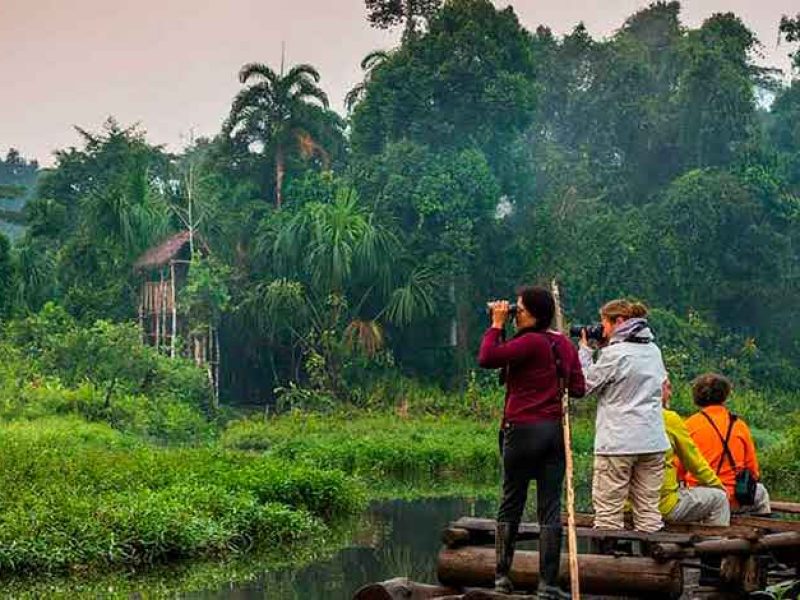
If you love nature, photography, and observing rare and colorful bird species, the Peruvian Amazon Photography offers a once-in-a-lifetime opportunity: a 4-day birdwatching and photography tour in Tambopata, one of the most biodiverse regions on Earth.
This immersive journey takes you deep into the Tambopata National Reserve, located in the heart of the southern Peruvian Amazon near Puerto Maldonado. Home to over 600 bird species—including vibrant macaws, toucans, parrots, and a wide range of endemic and migratory birds—this tour is ideal for both amateur and professional bird enthusiasts. Amazon rainforest Photography
Tour Overview Bird Watching Photography In The Amazon
Tour Name: Birdwatching & Photography 4-Day Tour
Operated by: Professional Tour Operator
Group Type: Small Group
Start/End Point: Hotel, Airbnb, airport, or bus terminal in Puerto Maldonado
Departure: Daily
Duration: 4 Days / 3 Nights
Transportation: Private bus & motorboat
Accommodation: Jungle bungalow with private bathroom/shower (twin or triple rooms)
Meals: All meals included (vegetarian, vegan, and gluten-free options available)
Included: Tambopata Reserve entrance fee, bilingual naturalist guide, mineral water
Group Size: Small group for a personalized experience
Itinerary Bird Watching Photography In The Amazon
Day 1: Arrival & Jungle Introduction
Pickup from Puerto Maldonado (airport, hotel, or bus station)
Scenic motorboat ride along the Madre de Dios River to your eco-lodge
Introductory jungle hike with a specialized guide
Traditional Amazonian dinner
Evening presentation on the region’s biodiversity
Day 2: Bird Watching Photography In The Amazon – Macaw Clay Lick & River Wildlife
Early morning visit to the renowned Macaw Clay Lick
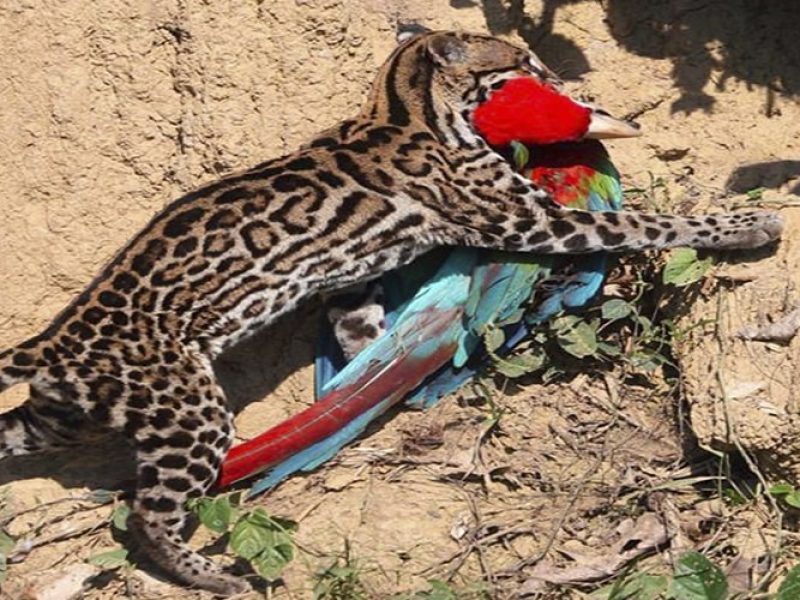
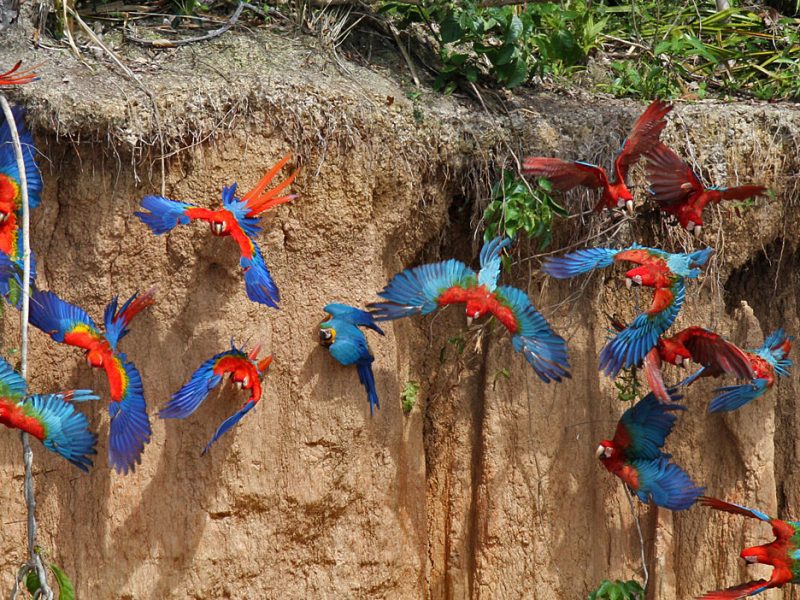
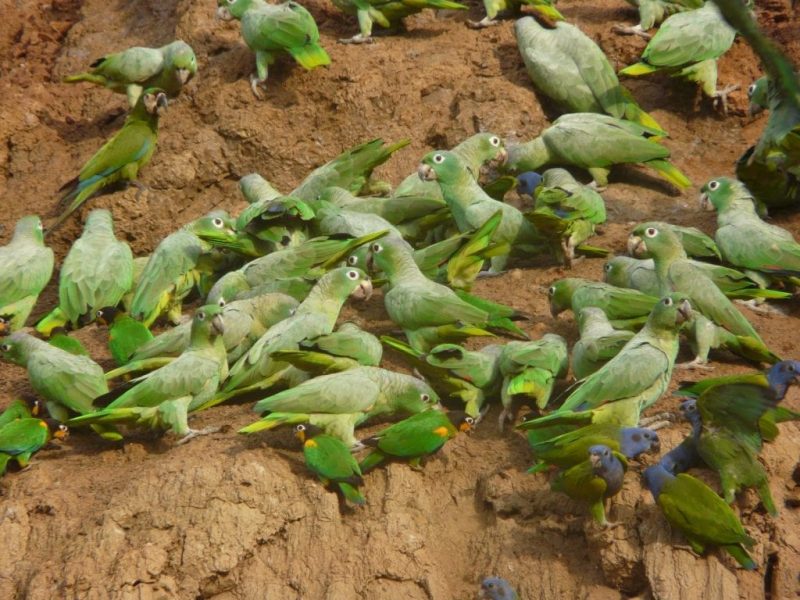
Witness hundreds of macaws, parrots, and parakeets gather at the mineral-rich cliffs
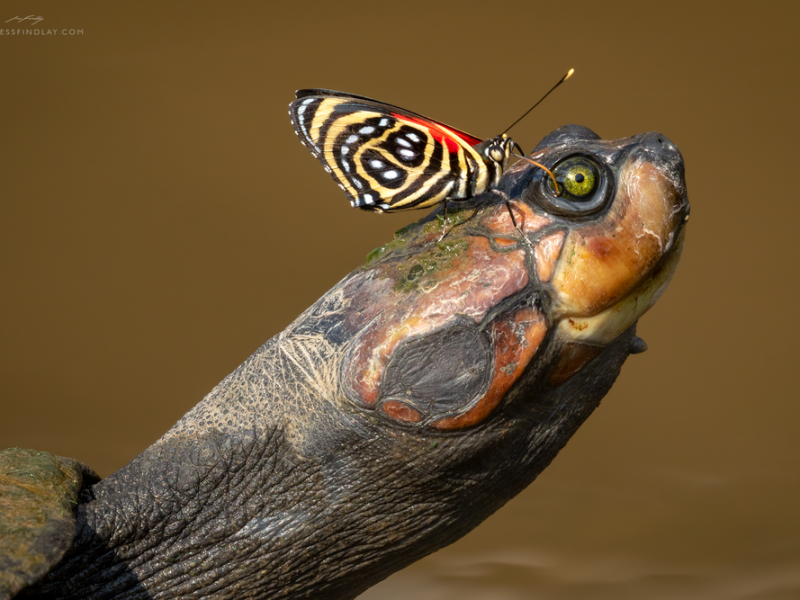
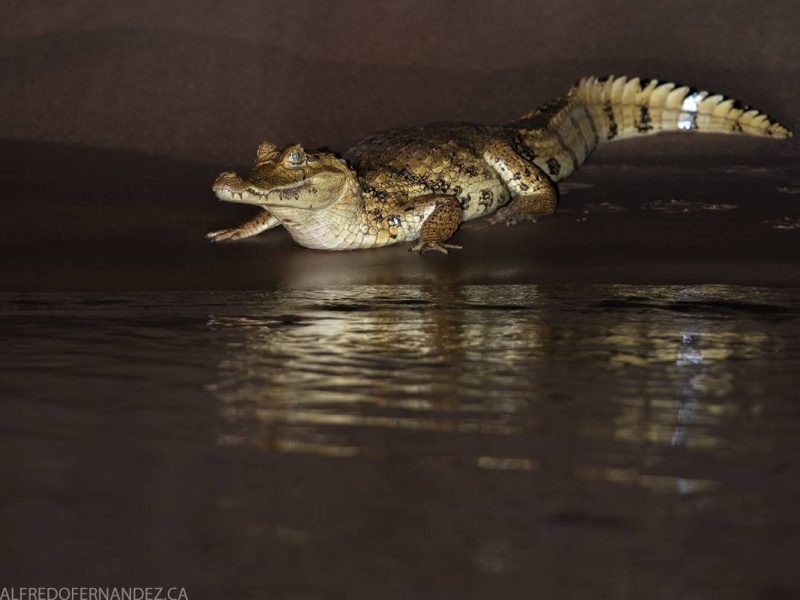
Return by boat with chances to spot wildlife such as caimans, capybaras, and turtles
Afternoon at leisure: relax or explore forest trails
Dinner and overnight stay at the lodge
Day 3: Bird Watching Photography In The Amazon Rainforest Trek & Night Safari
Morning guided rainforest hike in search of rare bird species and wildlife
Photography sessions with expert guidance on composition, lighting, and camouflage
Evening night walk to spot nocturnal creatures such as owls, frogs, tarantulas, and armadillos
Day 4: Sunrise Birdwatching & Departure
Early morning birdwatching session at sunrise
Breakfast at the lodge
Return journey to Puerto Maldonado
Transfer to the airport or your next destination
Why Tambopata?
Over 600 bird species in one reserve
World-famous Macaw Clay Lick
Diverse habitats, from rivers to primary rainforest
Excellent ecotourism infrastructure : Bird Watching Photography
Suitable for all experience levels—from beginners to experts
Trip Tips
Pack lightweight clothing, insect repellent, sunscreen, and hiking shoes
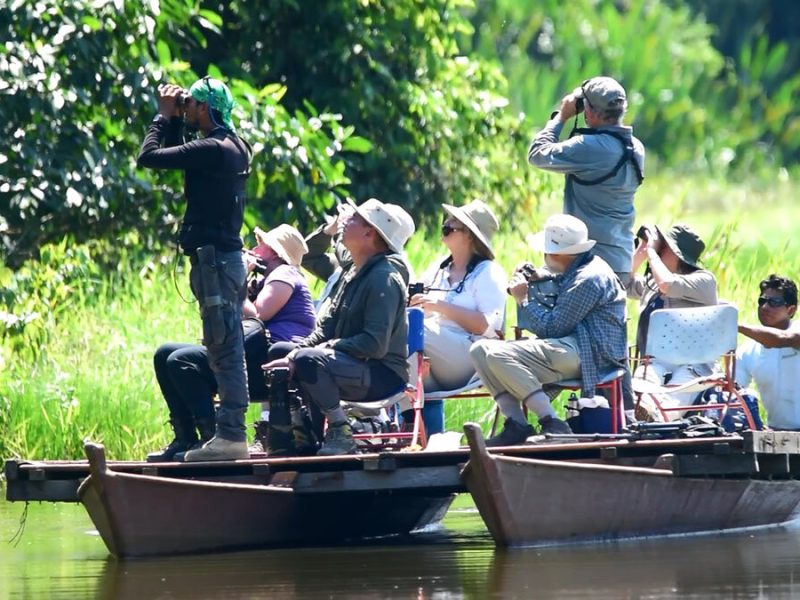
Bring binoculars and a camera with a zoom lens
Best time to visit: May to November (dry season for optimal bird activity)
ITINERARY
Birdwatching & Photography – 4 Days
DAY 1: LIMA – PUERTO MALDONADO – TAMBOPATA RESERVE | WELCOME TO THE AMAZON RAINFOREST
Upon your arrival in Puerto Maldonado, the heart of the Peruvian Amazon, begin an unforgettable journey to the Tambopata National Reserve, one of the most biodiverse destinations on Earth. Our team will greet you at the airport and accompany you to the river port at the Native Community of Infierno — the gateway to this natural paradise.
Bird and Wildlife Watching from the Start
During the road transfer to the port, we’ll make strategic stops to spot iconic tropical forest birds such as the Great Potoo, the Purus Jacamar, and the White-throated Jacamar. These moments are perfect not only for wildlife photography but also for immersing yourself in the astonishing diversity of Amazonian species. manu rainfores trips
While waiting at the port, you’ll have the chance to identify colorful birds such as oropendolas, tanagers, and flycatchers, and capture stunning panoramic views of the jungle landscape and Amazonian rivers.
Navigating the Madre de Dios River
As we travel by speedboat to the lodge, we’ll enter the riverine ecosystem, observing species such as the Cocoi Heron, Capped Heron, and potentially macaws in flight, Amazon parrots, and nighthawks. You may also spot capybaras, river turtles, and caimans resting along the banks.
Night Jungle Walk
After settling into the eco-lodge, we’ll head out for an introductory night walk — a perfect opportunity to experience the jungle after dark. You may hear and spot the Spectacled Owl and, with luck, the majestic Great Horned Owl. The walk also introduces you to fascinating nocturnal creatures like tarantulas, tailless whip scorpions, giant grasshoppers, and more.
DAY 2: COCOCOCHA LAKE – AQUATIC WILDLIFE & TROPICAL FOREST EXPLORATION
Early in the morning, we begin a 5.5 km hike to the remote and pristine Cocococha Lake, a sanctuary for wildlife. Hidden deep within the primary rainforest, this lake is one of the best birdwatching spots in Tambopata.
Sunrise at the Lake – Aquatic Birdwatching
At dawn, you can spot fascinating species such as the Hoatzin, Horned Screamer, Anhinga, and various jacanas. Also watch for kingfishers, the striking Red-bellied Macaw, and the Blue-and-yellow Macaw.
Aquatic and Terrestrial Fauna of the manu jungle trips
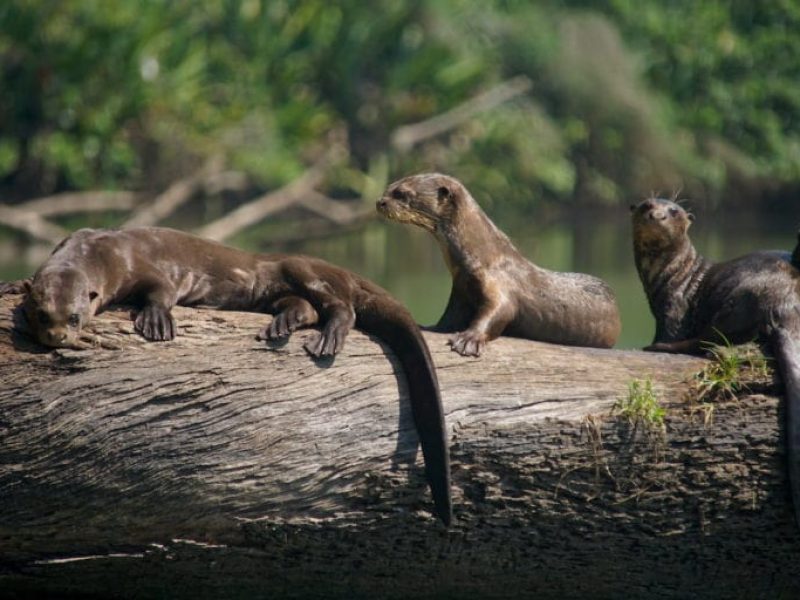
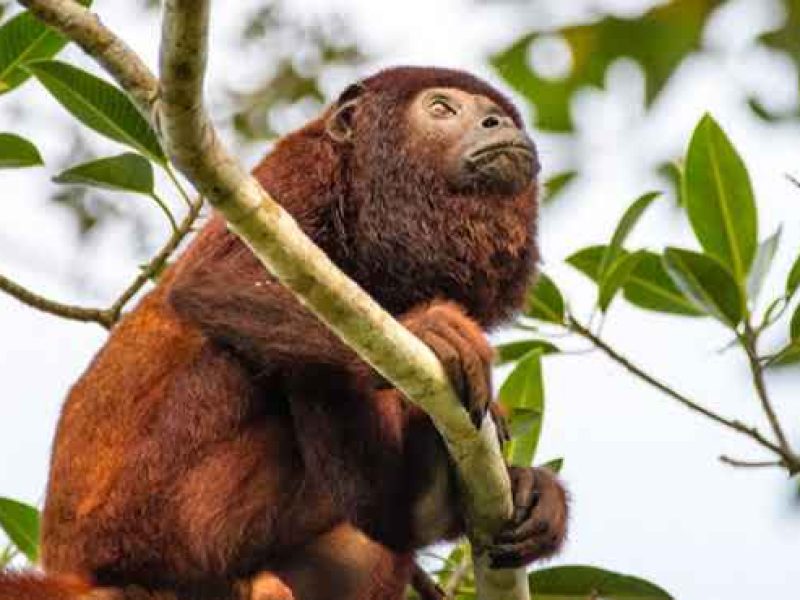
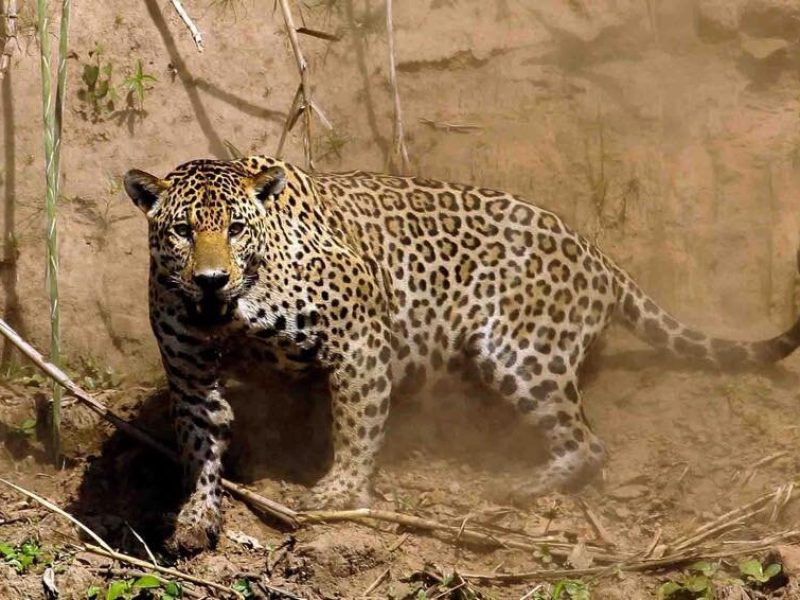
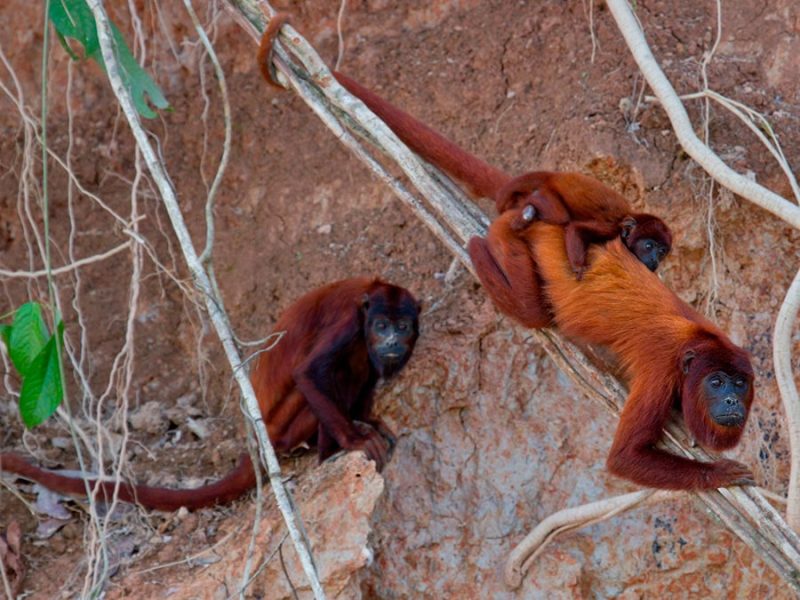
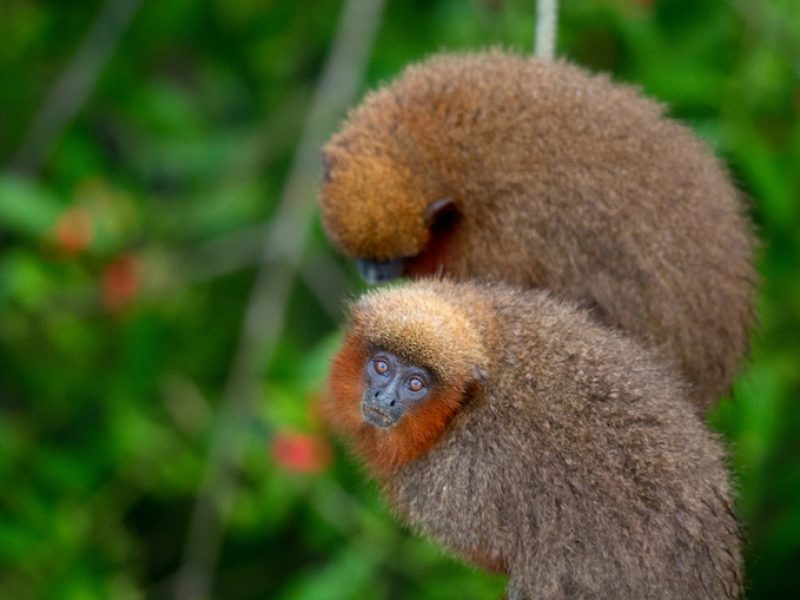
The elusive Agami Heron, one of the hardest herons to spot in South America, also lives here. With luck, we may observe Giant River Otters, a critically endangered species. On the hike back, we’ll look for tamarin monkeys, red howler monkeys, capuchins, and understory bird species.
This activity includes a silent canoe ride to avoid disturbing the wildlife.
Night River Exploration
After dinner, if energy permits, we’ll head out for a night boat ride on the river. With flashlights and the help of expert guides, we’ll look for caimans along the shores and nocturnal birds such as the Common Potoo, Tropical Screech Owl, and the Ladder-tailed Nightjar.
DAY 3: CANOPY TOWER – PRIMARY FOREST – BIRD DIVERSITY
The day begins with a visit to a 42-meter canopy observation tower, offering a privileged view of the Amazon forest canopy — home to many bird and primate species.
Birds of the Amazon Canopy
From the tower, you may spot species such as the Golden-collared Toucanet, the rare Amazonian Pygmy Owl, Purple-throated Fruitcrow, White-necked Puffbird, and various tanagers including the Turquoise, Paradise, and Green-and-gold Tanagers. With luck, we might witness the flight of the majestic and endangered Harpy Eagle.
Forest Trails – Chica Lake
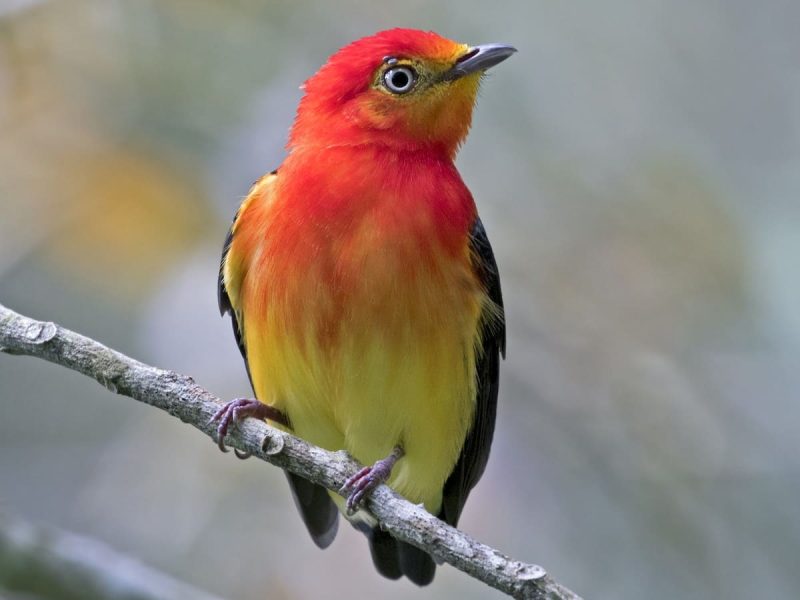
In the afternoon, we’ll walk the Big Tree and Tower trails, passing through a range of ecosystems: terra firme forest, várzea (seasonally flooded forest), and palm swamps. These diverse habitats offer chances to see specialist species like the Blue-throated Piping Guan, Band-tailed Manakin, Cream-colored Woodpecker, and Black-spotted Bare-eye.
You may also spot white-lipped peccaries, monkeys, and other wild mammals.
DAY 4: FAREWELL TO THE JUNGLE – RETURN TO PUERTO MALDONADO
After an early breakfast, we say goodbye to the lodge and take a boat ride back along the Madre de Dios River to the Native Community of Infierno, from where we continue by road to the Puerto Maldonado airport.
This final stretch offers a last visual recap of the Amazon’s rich colors and sounds, leaving an unforgettable memory for every traveler.
INCLUDED (NOT)
GALLERY LODGE
FAQs - FREE INFO
Sandoval Lake
Bird species: Waterfowl and jungle birds.
Notable species: Hoatzin, herons, cormorants, kingfishers, toucans, and many others.
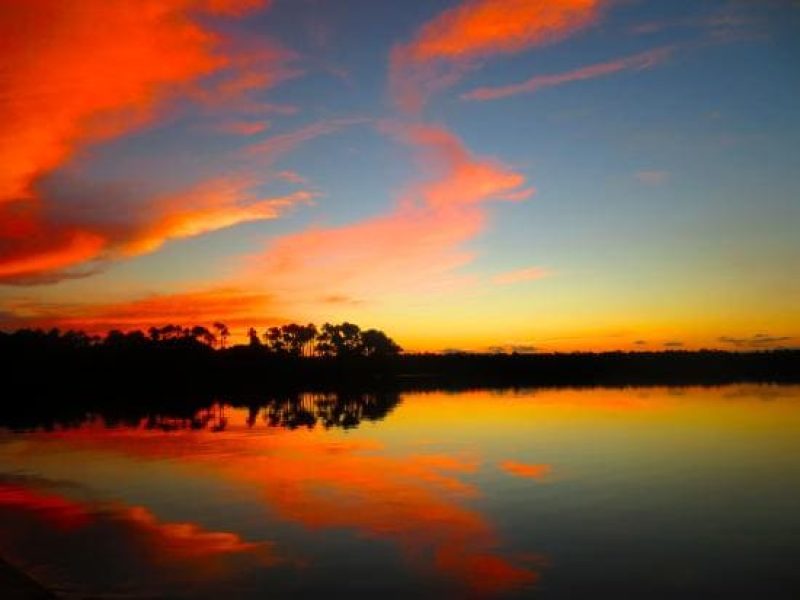
Photographic environment: Hiking trails, canoeing on the lake, excellent natural light for photography, and aquatic reflections.
Other attractions: Giant otters, howler monkeys, and black caimans. The lake is ideal for capturing Amazonian biodiversity.
Chuncho Clay Lick
Bird species: Specialized in psittacines (parrots and macaws).
Notable species: Red-and-green macaw, blue-and-yellow macaw, scarlet macaw, blue-headed parrots, among others.
Photographic environment: Unique setting where dozens of birds congregate in the clayey ravines at dawn. Allows for dynamic shots of flight and social behavior.
Best time: Very early in the morning (5:30 to 8:00 a.m.).
Photography tour recommendations:
Recommended lens: Telephoto lens (300 mm or longer).
Additional equipment: Tripod or monopod, moisture protection, binoculars, insect repellent, and camouflage or neutral-colored clothing.
Local guide: Essential for locating species and protecting them from disturbing their behavior.